
Properties and Applications of Polyvinyl Butyral (PVB)

Apr 17, 2026

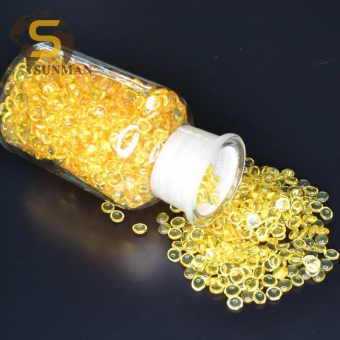
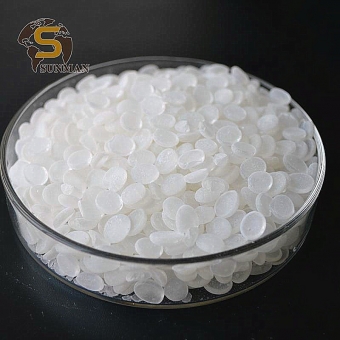
Polyvinyl Butyral (PVB) resin is a water-insoluble thermoplastic polymer known for its excellent binding and film-forming properties. It dissolves readily in a wide range of organic solvents and shows good compatibility with many other polymers. With superior elasticity and optical transparency, PVB suits diverse industrial uses. Both high- and low-viscosity grades are available, with glass transition temperatures tailored to specific applications. Stability can be further enhanced via cross-linking. As a result, PVB serves as a key binder in paints, primers, adhesives, metal powders, and ceramics, as well as an interlayer in laminated safety glass, making it indispensable across multiple industries.


Field of Application:

Wash Primer

PVB-based "wash primer" is widely used on metal surfaces such as storage tanks, ships, aircraft, bridges, dam locks, and electronic appliances. Compared to conventional materials, it offers superior corrosion protection, better adhesion, faster drying, and easier application. Strong anchoring is achieved through a complex interaction of synthetic resin, pigments, phosphoric acid, and metal ions.


Foil Coatings

Applying PVB solution onto metal foils (e.g., aluminum, brass, tin, lead, iron) improves mechanical strength, moisture resistance, and printability. Adhesion can be further enhanced by stoving at up to ~140°C.


Wood Paints

PVB is widely used in wood sealers and topcoats, imparting toughness, flexibility, and impact resistance. Common blends include PVB with phenolic resins, shellac, or nitrocellulose. As a knot sealer, it prevents terpene and resin bleeding.


Leather Paints

Combined with nitrocellulose and plasticizers, PVB provides excellent adhesion, high elongation, and crack prevention while maintaining leather flexibility.


Stoving Paints

Blends of PVB with phenolic, melamine, or urea resins are ideal for stoving paints. Adding 5–25% PVB to phenolic resin transforms a brittle film into one with good flexibility, excellent leveling, a pinhole-free surface, and improved alkali resistance.


Powder Coatings

PVB blended with epoxy resins improves edge covering and prevents pulverization.


Adhesives

PVB-phenolic mixtures bond metal, glass, leather, wood, fabric, paper, and more. After solvent removal, surfaces are heated and pressed together. Typical curing: 160°C for 15–30 minutes.


Printed Circuit Board Adhesives

A PVB-phenolic blend meets key PCB adhesive requirements: high peel strength, blister resistance, and good dielectric properties, ideal for bonding phenolic prepregs to copper foil.


Printing Inks

PVB is used in gravure, letterpress, and flexographic inks, offering flexibility, strong adhesion, and toughness.


Hot-Melt Adhesives

Fusing PVB with plasticizers and fluxing resins produces hot-melt adhesives that form tough, clear films with good adhesive strength.


Ceramic Binders

In ceramic electronic components, PVB acts as a binder, providing green strength to ceramic powders before sintering for better dimensional stability and workability.

今チャット
今チャット
あなたは私達のプロダクトに興味があり、詳細を知りたいのですが、ここにメッセージを残してください

在宅

プロダクト

連絡先