ホットな製品

私達 私たちの製品を「化学物質」として単純に見ないでください」と「解決策」それは価値をもたらし、私たちの問題を解決することができます。

私たちのアプリケーション

私達 私たちの製品を「化学物質」として単純に見ないでください」と「解決策」それは価値をもたらし、私たちの問題を解決することができます。

なぜ私たちを選んでください

品質は中心です。すべて私たち します

私たちのクライアントが言うこと

それはあなたの責任と信頼できるものになるための私たちの行動規範です。

ブラッドリー W. メキシコから
ブラッドリー W. メキシコから
"そこ リストにあるチャンネルパートナー、そしてそこにあります。あなたが本当に頼ることができますマーケットへ行きます サンマン 本当です。 "Partner" 私たちのビジネスを理解し、私たちに最大のサポートを与える人。 その他 私たちの事業が成長し続けている理由です サンマン すべての年
もっと見る
 Gaurav R. インドから
Gaurav R. インドから
私達 協力しました サンマン数年間会社、そして 彼ら 顧客の を常に考える面。 彼ら 異なる問題に対処するためのプロのチームがあります。 だからあなたはいつもあなたが話をしたいのか知っています。
もっと見る
 ピアポン S. タイから
ピアポン S. タイから
私達 から得られた高品質で素晴らしいサービスを持つ商品に完全に満足しています サンマン 。 彼らと協力して楽しみにしています将来の将来。

もっと見る
コヴァス M. 南アフリカから
コヴァス M. 南アフリカから
この is My 原材料を使用して3回目 サンマン 。 私の これを強くお勧めします 会社。 私は原料不足を大きくしました。 しかし彼ら 彼らの高い常に伸びてください原材料を見つけるのに苦労した代替源を見つけることによるサービス。 私は電話しますすべてのために 私の ニーズ
もっと見る
インドネシアのジェフリー・H.
インドネシアのジェフリー・H.
本日午後、貴社のチームに感謝の意を表しました。素晴らしい仕事をしていただき、大変光栄でした。今後、貴社をお探しのお客様には、ぜひお勧めいたします。 印刷インク用樹脂 改めて、あなたとあなたのチーム全員に感謝します。
もっと見る
ブラジルのEllyn、IL
ブラジルのEllyn、IL
私達 私たちのコーティングのための最も効率的な解決策を提供するために私たちと協力していることを理解しています。 あなたの 満足のいく仕事を超えて優秀。 ありがとうございました!
もっと見る
最新ニュース

あなたの責任と信頼できるパートナーになるのは私たちの行動規範です

What Is PVB Resin Used For?
Sep 18, 2026 What Is PVB Resin Used For?
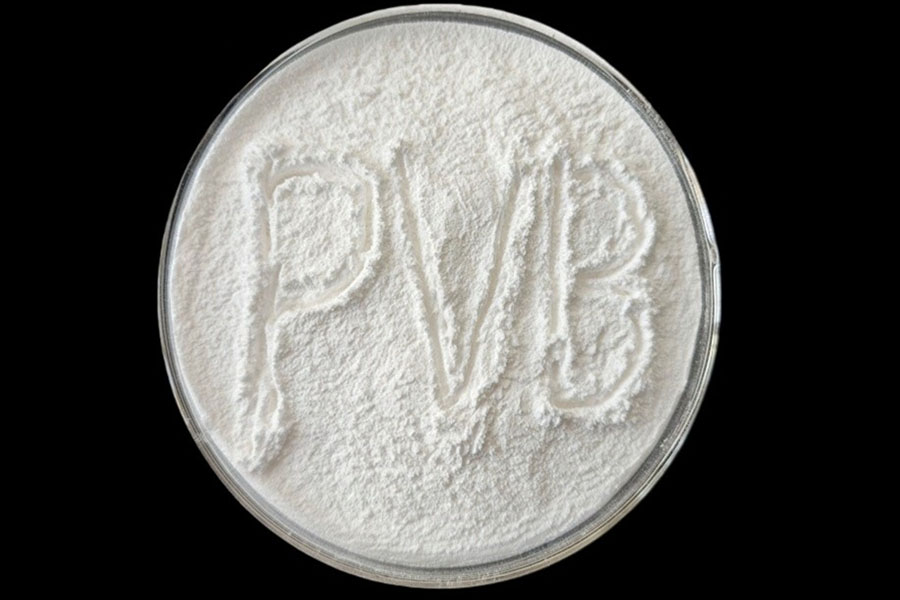
PVB resin(Polyvinyl Butyral) is widely used due to its adhesion, flexibility, toughness, and clear film formation. As an interlayer in laminated safety glass, PVB bonds glass layers together and enhances impact resistance. In coatings and paints, it improves film formation, adhesion, flexibility, and surface protection. It also serves as a binder for alcohol-soluble or solvent-based systems in printing inks, and can function as a temporary binder or processing aid in ceramics. PVB resin applications include: coatings, inks, wash primers, ceramic substrates, composites, structural adhesives, laminated safety glass interlayers,ceramic injection molding, and vacuum aluminum-plated paper. The Key Question for Buyers For buyers, the critical question is not simply "Can PVB be used in my product?" A more useful question is: "Which PVB grade best suits my solvent system, viscosity target, substrate, processing method, and final performance requirements?" How to Choose the Right PVB Resin Grade PVB resin selection should be driven by the final application: Printing inks: Check solubility, solvent release, pigment wetting, adhesion to film or paper, and final ink transfer. Coatings: Check film hardness, flexibility, adhesion, clarity, chemical resistance, and compatibility with other resins. Laminated safety glass: Prioritize optical clarity, mechanical strength, moisture control, and long-term stability. Sunman offers PVB product types from A-10 to A-70, with varying ranges of viscosity, volatile content, polyvinyl butyral content, hydroxyl content, rotational viscosity, and ash. This broad range of grades enables formulators to select PVB based on practical processing and performance requirements rather than settling for a general-purpose grade. A practical selection process should include sample testing. Buyers should prepare a small resin solution using the intended solvent system, verify dissolution time, check clarity, perform a filtration test, and evaluate film behavior. In coating and ink systems, the resin should also be tested with pigments, additives, and the final substrate. So if you are interesting and need samples for test, pls contact us now.
もっと見る
The Three Major Applications of Chlorinated Polypropylene (CPP)
Sep 02, 2026 The Three Major Applications of Chlorinated Polypropylene (CPP)
Chlorinated Polypropylene (CPP) is a versatile functional polymer that has gained widespread use across multiple industrial sectors due to its exceptional adhesion properties, compatibility with various resins, and ability to modify surface characteristics of low-energy materials. Below are the three primary application fields of CPP, each playing a critical role in modern manufacturing and coating technologies. 1.CPP for Inks (Chlorinated Ink Resin) High-molecular-weight CPP is specifically designed for printing inks on PP substrates, available in both toluene-soluble and ester-soluble systems. It is mainly used in packaging printing to effectively enhance ink adhesion on PP film surfaces, preventing the printed layer from detaching during processing or end-use. The most common end-use is in rotogravure and flexographic printing of PP films, which are extensively used for snack food packaging, confectionery wraps, shrink sleeves, and laminated stand-up pouches. The inherent non-polar nature of PP films causes conventional inks to exhibit poor wetting and weak anchorage, leading to smudging, rubbing, or complete detachment during handling or transportation. By utilizing high-molecular-weight CPP as the ink vehicle or as a co-binder, the ink layer forms a strong physical and chemical bond with the PP surface, ensuring excellent rub resistance, block resistance, and adhesion even under high-speed printing and subsequent converting operations. Additionally, the high molecular weight imparts improved pigment wetting and dispersion stability, resulting in vibrant colors and consistent print density across long production runs. 2. Adhesion Promoter for PU Inks Low-molecular-weight CPP is used as an adhesion promoter for PU inks, primarily to solve adhesion problems on PP and PE films. This application is common in packaging printing, where it strengthens the bond between the ink layer and low-surface-energy substrates, effectively preventing ink peeling, smudging, and other defects, thereby ensuring print quality. 3.Automotive Coatings and Adhesives CPP exhibits strong affinity for polyolefin substrates such as PP and TPO, and shows good compatibility with resins like acrylics and polyurethanes, significantly improving coating adhesion. Specific applications include: •Automotive bumper coatings (high-flexibility grades); •Interior trim coatings (low-VOC, environmentally friendly formulations); •Adhesion-promoting primer layers for polymer substrates; •Adhesives for structural bonding of PP to metals and PP to rubber. We can supply many different types of CPP resin. So any more informations, pls let us know.
もっと見る
How to use reflective powder for paint?
Aug 12, 2026 How to use reflective powder for paint?
What is reflective paint? Reflective paint is made by mixing directional reflective materials in a solvent. Acrylic resin is the base material. Reflective paint is a new type of reflective paint. It reflects light through reflective beads. It has better reflective effects at night. Due to high reflectance, it can prevent ultraviolet light irradiation and color fading. It is also highly resistant to salt spray, acid and alkali. How to use reflective powder for paint? Method 1: Reflective paint is made by directly mixing reflective powder with paint. It is easy to use and control. Reflective powder is used according to the reflectance. Method 2: Preparation of reflective paste: Weigh an appropriate amount of reflective powder, and mix it with the solvent (cyclohexanone) into paste. Then, mix it with transparent printing paste by stirring. Reflective powder will be half exposed on the surface, to achieve the reflective effect. Reflective powders of different particle sizes have different reflective effects. (Different particle sizes will lead to better reflective effects.) What is reflective paint used for? Applications of reflective powder in paint 1. Traffic signs Reflective powder is an important material of traffic signs. If reflective powder is used in paint of traffic signs, traffic signs will be clearly visible at night. This can improve the road safety. 2. Architectural decoration Reflective paint is also widely used in architectural decoration. When reflective paint is applied on the surfaces of buildings, the visual effect of buildings at night will be enhanced. 3. Automotive paint Reflective powder is often added in automotive paint. It has a protective effect. It can improve the safety of vehicles running at night. What are the precautions for using reflective paint? 1. Thoroughly remove oil stains, water stains and dust on the substrate surface before construction. Keep the working surface dry. 2. Fully mix the reflective primer and reflective paint before use. Stir them constantly during construction. 3. First apply our reflective primer. When the reflective primer is dry, spray reflective paint. Preferably, spray two layers of reflective primer on cement. 4. The paint film should be even and thin. Its thickness should be about 20 microns. Otherwise, the effect will be poor.
もっと見る
今チャット
今チャット
あなたは私達のプロダクトに興味があり、詳細を知りたいのですが、ここにメッセージを残してください

在宅

プロダクト

連絡先